Common symptoms of menopause
Every menopause experience is unique, but many women notice shared patterns. Menopause can affect the body and mind in a wide range of ways - sometimes obvious, sometimes unexpected.
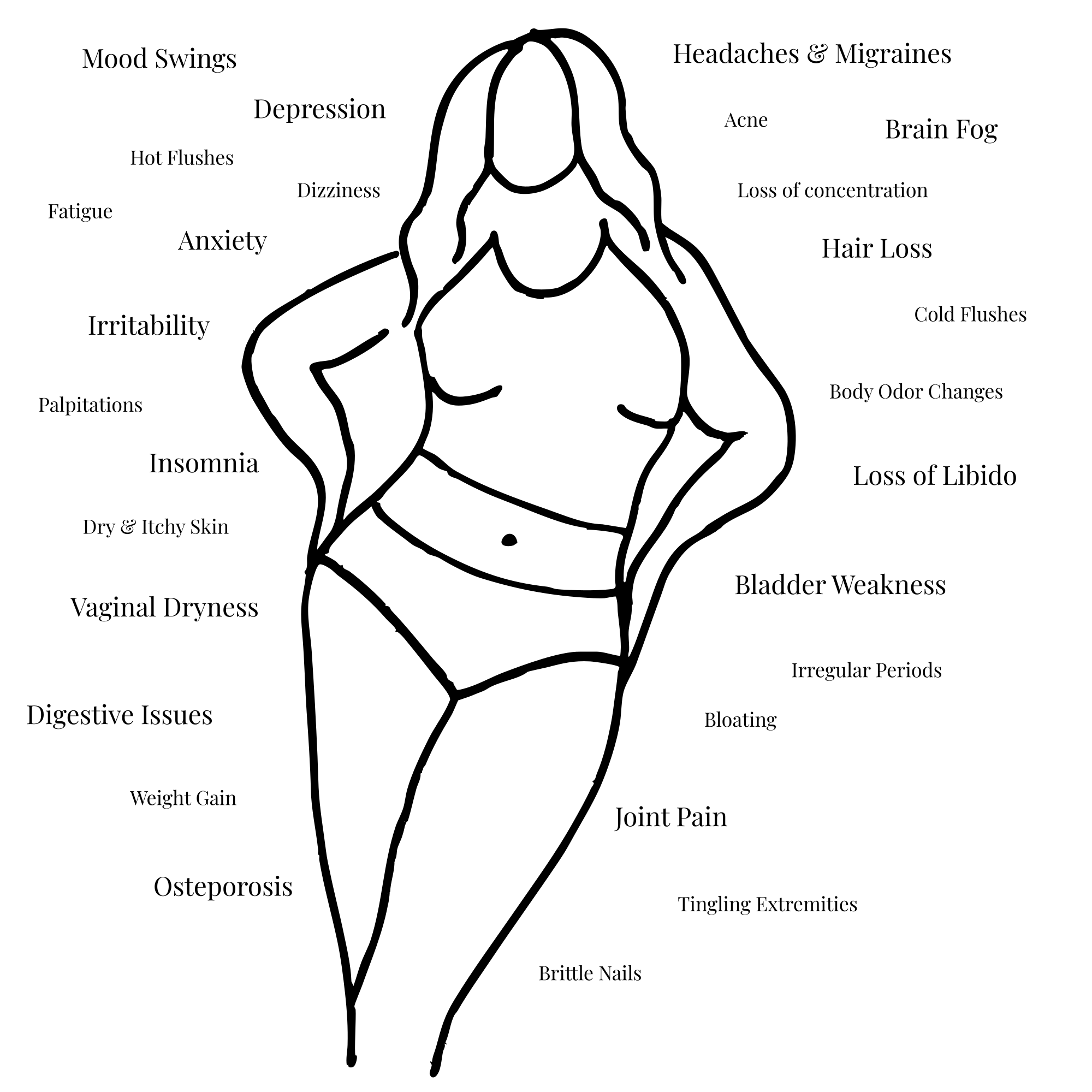
These symptoms don’t all happen to everyone — and they don’t always appear at the same time.
Not sure what stage you're in? Take our 2-minute quiz →
Explore the wide-ranging symptoms of menopause
Menopause can affect the body and mind in many different ways. Some changes are obvious, others more subtle — and not everyone experiences the same symptoms at the same time. This overview is here to help you recognise common patterns and understand what might be happening, without assuming or diagnosing.
Physical Changes
Hormonal fluctuations can affect everything from temperature control to joint flexibility and skin health. These changes are driven by falling oestrogen levels, which influence circulation, collagen production and how the body distributes fat. For many women, physical symptoms are the first signs that something is shifting internally.
Common symptoms include
- Hot flushes and night sweats
- Joint pain/stiffness
- Weight changes
- Hair thinning/hair loss
- Tingling sensations or pins & needles
- Headaches/migraines
- Temperature sensitivity
- Breast tenderness or changes
Emotional Wellbeing
Hormonal transitions can affect mood regulation, stress response and emotional resilience - what used to feel manageable might now feel heavier or more unpredictable. Emotional changes during menopause can be as impactful as the physical ones. Understanding their hormonal linkhelps restore perspective and control. Support from healthcare professionals, therapy, and lifestyle changes all make a tangible difference.
Common symptoms include
- Mood swings
- Depressive symptoms / low mood
- Increased or new anxiety
- Irritability
- Low motivation
- Sudden tearfulness or emotional fragility
- Feeling flat, withdrawn or detached
- Difficulty coping with work or home life pressures
- Heightened sensitivity to criticism
- Emotional exhaustion
Cognitive & Focus
Many women experience what’s often called menopause brain - moments of forgetfulness, difficulty concentrating, or slower recall. These shifts are linked to changing hormone levels that affect neurotransmitters and sleep quality. They can make everyday tasks feel harder, especially under stress.
Common symptoms include
- Difficulty concentrating
- Forgetfulness / short-term memory loss
- Slow information processing
- Mental fatigue
- Reduced multitasking ability
- Trouble making decisions
- Word-finding pauses ("tip of the tongue" moments)
Some women also notice that existing ADHD symptoms become more pronounced during perimenopause and menopause, or seek assessment for the first time during this stage of life.
Vaginal & Sexual Health
The drop in oestrogen can affect both intimate and urogenital health - all of which deserve to be out in the open. These changes are common, but not something to “just live with.” Vaginal moisturisers, local oestrogen therapy, pelvic floor exercises and open conversations can make an enormous difference.
Common symptoms include
- Vaginal dryness
- Susceptibility to vaginal or urinary infections
- Bladder urgency
- Stress incontinence
- Pain during intercourse
- Reduced libido or sexual desire
- Difficulty reaching orgasm
- Changes in pelvic floor strength
Energy
Many women experience changes in their energy levels during menopause. Hormonal shifts can affect metabolism, sleep quality and the body's stress response. This can lead to persistent fatigue, afternoon energy crashes, or a general reduction in stamina.
Common symptoms include
- Persistent fatigue
- Low motivation
- Reduced stamina
- Slower recovery after activity
- Feeling drained after stress or social interaction
Sleep
Many women notice changes in their sleep during menopause, even if they’ve never struggled with sleep before. Hormonal shifts can affect temperature regulation, stress response, and the body’s natural sleep–wake rhythm, making it harder to fall asleep, stay asleep, or wake feeling rested.
Common symptoms include
- Difficulty falling asleep
- Waking during the night
- Early waking
- Night sweats
- Restless sleep
Other Symptoms
Not every menopause symptom fits neatly into a single category. Alongside physical, emotional, and cognitive changes, many women notice other shifts that can feel unexpected or hard to explain at first. These experiences often vary in intensity and may come and go over time. Every woman’s experience is different. Some symptoms last only a short time, while others appear intermittently. Understanding what’s commonly reported can make it easier to recognise what’s happening — and to seek support if you need it.
Common symptoms include
- Heart racing or palpitations
- Electric shock–like sensations
- Changes in body odour
- Increased sweating
- Dizziness or lightheadedness
- Skin sensitivity or allergies
Itchy skin or scalp
Dry eyes
Changes in vision
Bloating
Changes in taste
Numbness or tingling in hands or feet
Digestive changes
Share your story
Every experience of menopause is different — and every story helps someone else feel less alone.
We’re building a space for real, unfiltered stories from women navigating change with honesty and strength.
Share your story and be part of a community that’s reshaping how we talk about menopause.