Postmenopause
A new rhythm, it's ok if it doesn't feel steady yet
Taking care of my physical + mental health now
After menopause, our bodies settle into a new hormonal baseline. That can bring changes — some expected, some surprising — but it’s also a stage where many women feel more grounded, self-aware, and proactive about their health.
Below are some of the most common areas affected after menopause. This list isn’t exhaustive, and everyone’s experience is different — but understanding what’s happening can make a real difference.

Bone health + osteoporosis
Lower oestrogen levels after menopause can affect bone density, increasing the risk of osteoporosis. The good news is there’s a lot we can do: weight-bearing and resistance exercise, adequate calcium and vitamin D, and regular check-ups all play an important role in maintaining strong, healthy bones.

Heart health
Oestrogen also has a protective effect on the heart, so cardiovascular risk can increase after menopause. Lifestyle choices make a meaningful difference here — staying active, eating a balanced diet, and keeping an eye on blood pressure and cholesterol are highly effective ways to support long-term heart health.
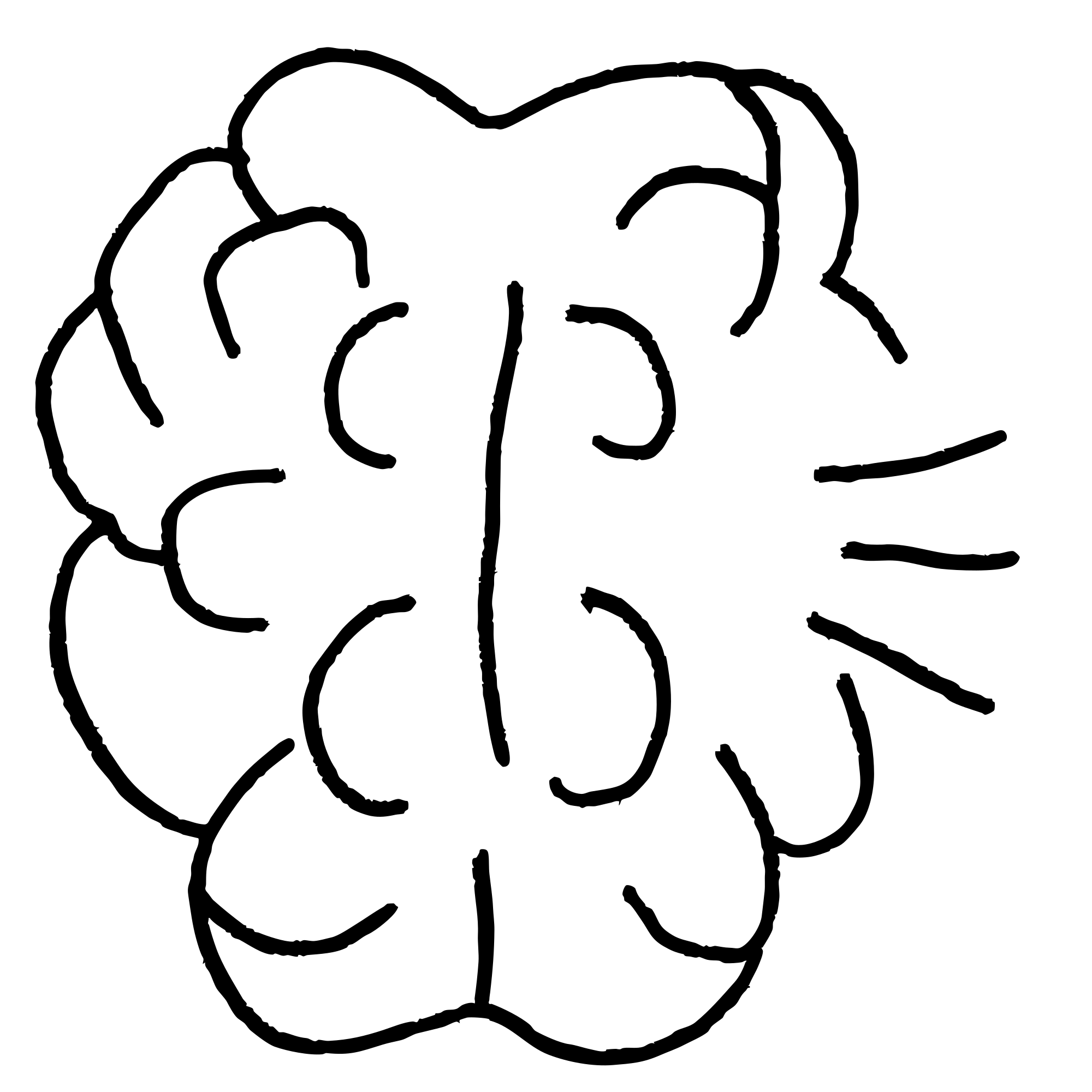
Memory + cognition
Many women notice changes in memory, concentration, or “brain fog” around menopause. These symptoms often improve once hormones stabilise. Evidence suggests that regular physical activity, mental stimulation, good sleep, and stress management all support brain health and may reduce the risk of cognitive decline over time.
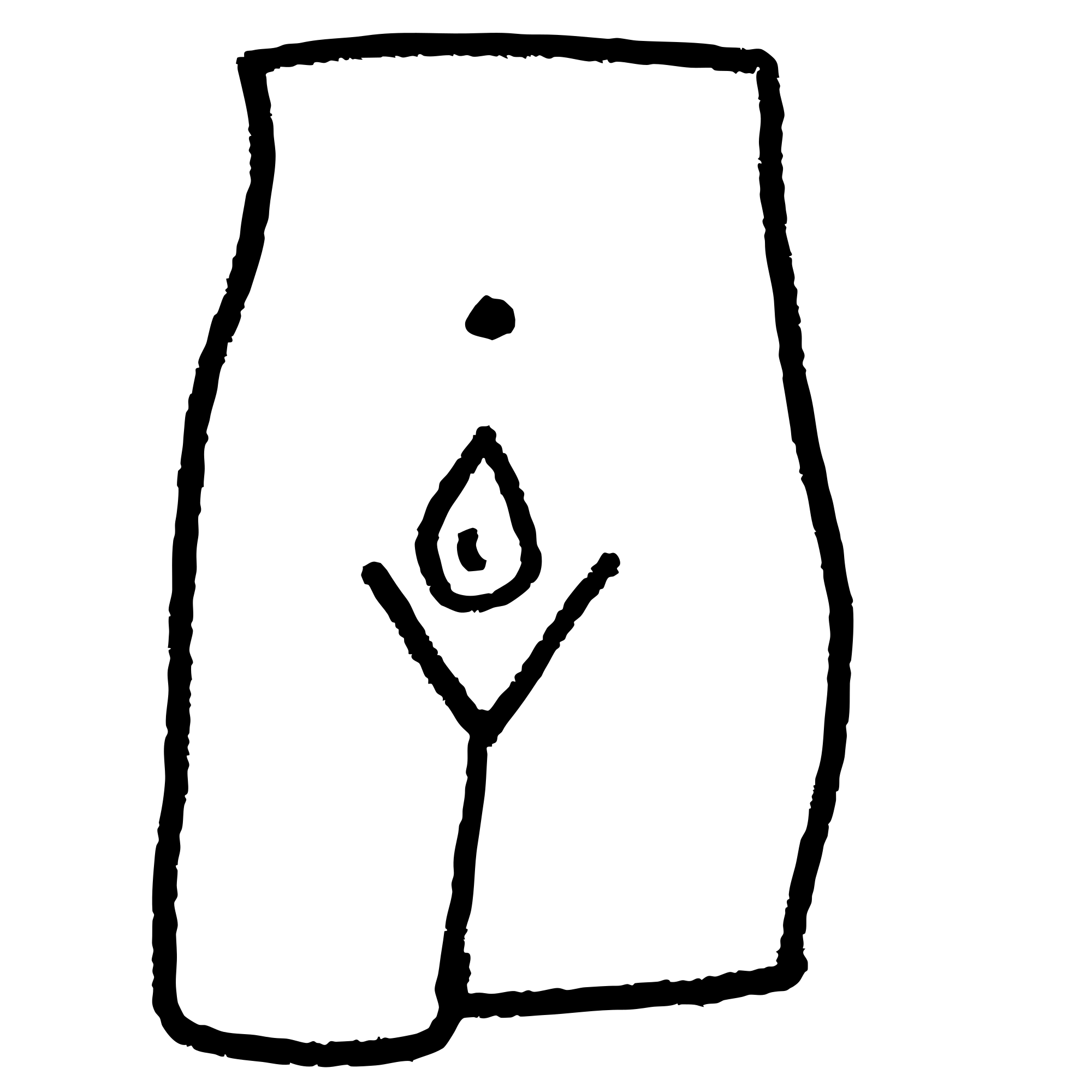
Urinary system
Genitourinary Syndrome of the Menopause (GSM) is a broad term that includes vulvovaginal changes and lower urinary tract symptoms linked to low oestrogen levels. GSM is very common yet often under-recognised and under-treated — despite effective, well-established treatment options.

Sexual wellbeing
Vaginal dryness, discomfort, and changes in libido are common after menopause — and they are very treatable. Options include vaginal moisturisers and lubricants, local oestrogen therapy, and open conversations with healthcare providers or partners. Many women find that sexual wellbeing can be maintained, and even improved, at this stage of life.

Metabolism
Changes in metabolism and fat distribution are typical after menopause, but weight gain isn’t inevitable. Research highlights the importance of resistance training, balanced nutrition, adequate protein, and good sleep in supporting body composition, energy levels, and overall metabolic health.
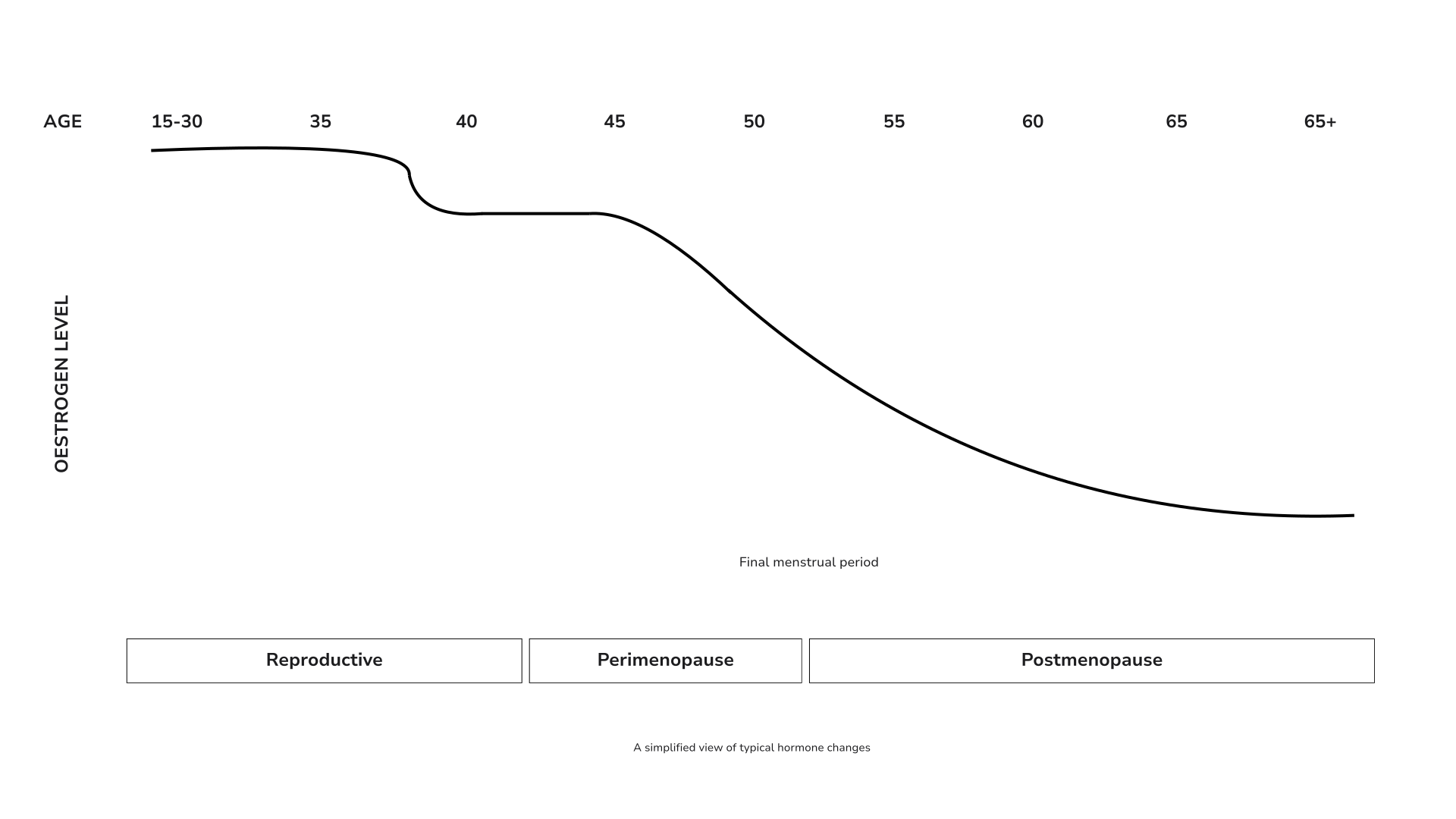
Oestrogen levels during a woman's life
Postmenopause is a stage where your hormones settle into a new balance. While the drop in oestrogen brings some longer-term health considerations — such as looking after your bones, heart, and brain — it can also be a time to refocus on yourself.
With the right lifestyle choices and support, this phase can be about strength, stability, and confidence, as well as embracing the freedom that often comes with moving beyond the turbulence of the earlier menopause years.
Why women choose menoelle
Rooted in Research
We use ingredients with real evidence behind them.
Designed through lived experience
Because menopause isn't theoretical - it's personal.
Thoughtfully formulated
Simple, targeted support that respects your body.
Made to work together
A considered range to support you at every stage.