Perimenopause
Your journey begins here
What is perimenopause?
Perimenopause is the phase of life leading up to menopause, when hormone levels begin to change and symptoms may start to appear. For many women, this is when they first notice shifts in their body, mood, or energy — often before they realise menopause could be a factor.
Perimenopause is a natural part of the menopause journey, but it can feel confusing or unsettling, especially when changes seem to come out of nowhere.
When does perimenopause start?
Perimenopause can begin several years before menopause, but there’s no fixed timeline. Some women notice changes in their late 30s or early 40s, while others start later.
Because experiences vary so widely, perimenopause isn’t always immediately recognised — symptoms can be subtle at first and may come and go.
What might I notice?
Perimenopause can affect women differently. Some notice physical changes, such as altered periods, hot flushes, or sleep disruption. Others experience emotional or cognitive changes, including low mood, anxiety, irritability, or difficulty concentrating.
You might notice one change, several, or very little at all. There’s no “right” or “normal” experience — just your own.
A gentle note: If changes feel persistent, disruptive, or hard to make sense of, it can help to explore support options or speak with a healthcare professional. Understanding what’s happening in your body can be a reassuring first step.
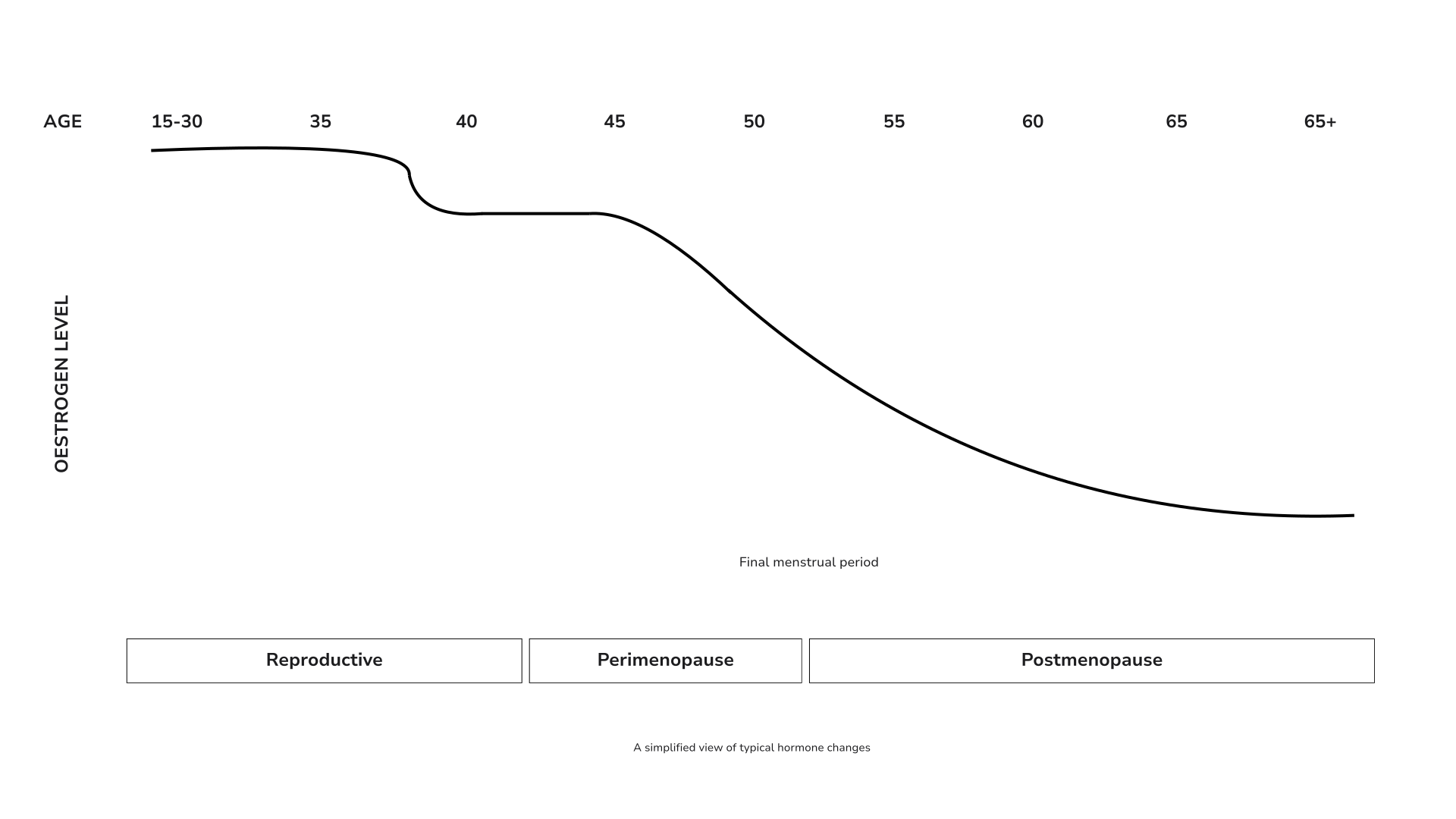
Oestrogen levels across a woman's life
As you move through menopause, hormone levels change over time. Oestrogen gradually declines as part of this process.
Typical Symptoms
Below are some of the most common symptoms of perimenopause, as you would expect, this is just the tip of the iceberg.......click here to explore all the symptoms or use our simple random symptom checker to see if your seemingly random symptoms might just be the menopause!
Hot Flushes

Mood Swings
Sleep Problems
Vaginal Dryness

Hair Loss
Random Symptoms
Small things that can help
Food & nutrition
Perimenopause isn’t the time for strict rules or perfect eating. Many women find that regular meals and a varied diet help support steadier energy and mood.
Rather than focusing on restriction, it can be more helpful to aim for balance — nourishing foods most of the time, with space for enjoyment too. Both fuel and pleasure matter.
Alcohol
Some women notice that alcohol affects them differently during perimenopause, particularly when it comes to sleep, hot flushes, or next-day energy.
Paying attention to how your body responds — and taking breaks when needed — can help you understand what feels supportive for you, without all-or-nothing rules.
Movement
Movement doesn’t have to be intense or structured to be valuable. Walking, stretching, lifting, or simply moving in ways that feel good can help you stay connected to your body during this transition.
Consistency matters more than perfection. Finding movement you enjoy makes it far more likely to stick.

Stress
Ongoing stress can make perimenopause feel harder to manage. Finding small ways to pause — whether that’s time alone, movement, creativity, or connection — can help take the edge off.
Stress relief doesn’t have to look impressive. It just needs to give you a moment to breathe.
Sleep
Sleep can become more unpredictable during perimenopause. Gentle routines, a comfortable sleep environment, and winding down where possible can help support rest — even if nights aren’t always perfect.
If sleep feels disrupted, you’re not failing. This is a common part of the transition for many women.

Connection
Perimenopause can feel isolating, especially when changes are hard to explain or don’t match what you expected. Staying connected — to friends, family, or people who simply get it — can make a real difference.
That connection might be a conversation, shared laughter, or simply knowing you’re not alone.
Why women choose menoelle
Rooted in Research
We use ingredients with real evidence behind them.
Designed through lived experience
Because menopause isn't theoretical - it's personal.
Thoughtfully formulated
Simple, targeted support that respects your body.
Made to work together
A considered range to support you at every stage.